
I think of communities as gardens. They need care, nourishment and the right conditions to grow. A lot of what passes for community building these days is less like careful planting and weeding, and more like introducing an invasive species like a cane toad. It creates conflict and builds dividing lines.
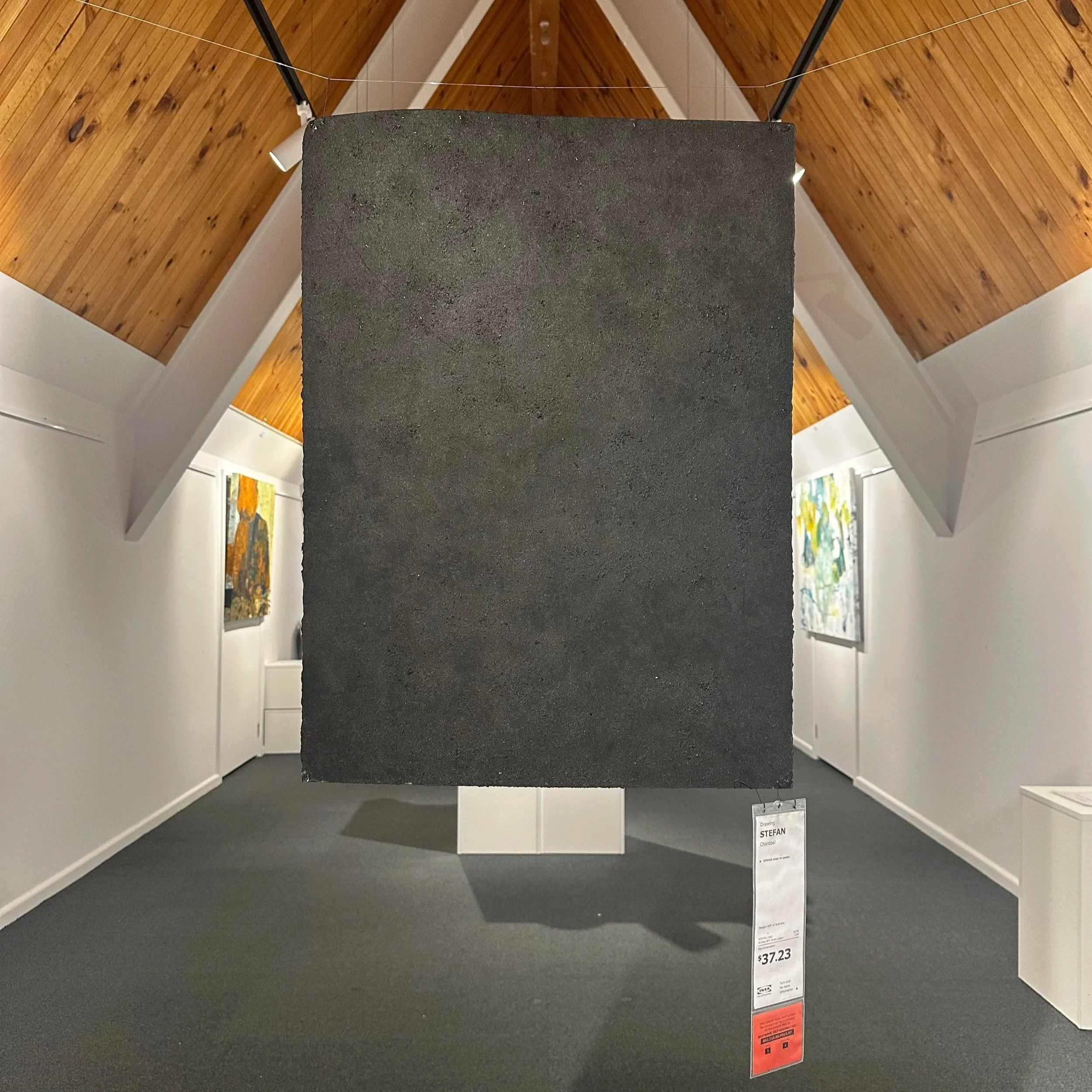
Stefan by Mat Vaughan. Photograph: Daniel A’Vard
Art does something different. Whether it is a painting, a photograph, a poem or a play, art creates spaces where people from different backgrounds can find common ground. In a world that seems increasingly designed to separate us, these common spaces are rare.
Useless, and valuable
Art is one of the few things that is valuable, because of it’s uselessness. There are two aspects at play here.
The first is that art serves no utilitarian purpose. Yes, there can be a design that sits on a skateboard or a mural that doubles as advertising. But the true value in art is what is says to us and how it makes us feel.
Second, art sits in what Lewis Hyde called the gift economy, it resides outside of the normal transactional world. Art is a gift from the artist to the world. The gift continues to be a gift as long as it keeps moving. The gift is not necessarily the finished product, but the experience of engaging with it. When we stand in front of a painting that means something to us, or see a play that speaks to us, it’s value isn’t diminished for the next person, or even a repeat viewing by ourselves. The value isn’t used up, it is retained and often strengthened in it’s use. Rather than emptying the lake, we deepen it.

Flag of Progress: Daniel A’vard
In a time when productivity is often idolised, art mounts a quiet revolution away from consumption and production, and towards slowing down, paying attention, and considering what matters.
Local art is not a luxury, or nice to have
Art is our collective storytelling. Whether in cities or the regions, art shows how we see ourselves, what we long for, what we are afraid of, and who we think we are. Whether it is a gallery, a theatre, or a television, people gather to have the world reflected back at us. This is particularly important in regional areas. As media production is increasingly concentrated, we need to find our own identity. This could be nature lovers, cultural warriors, tradition keepers or any number of things. However no matter what those identities are, our local artists keep us connected to how we face life’s challenges in our own particular way.
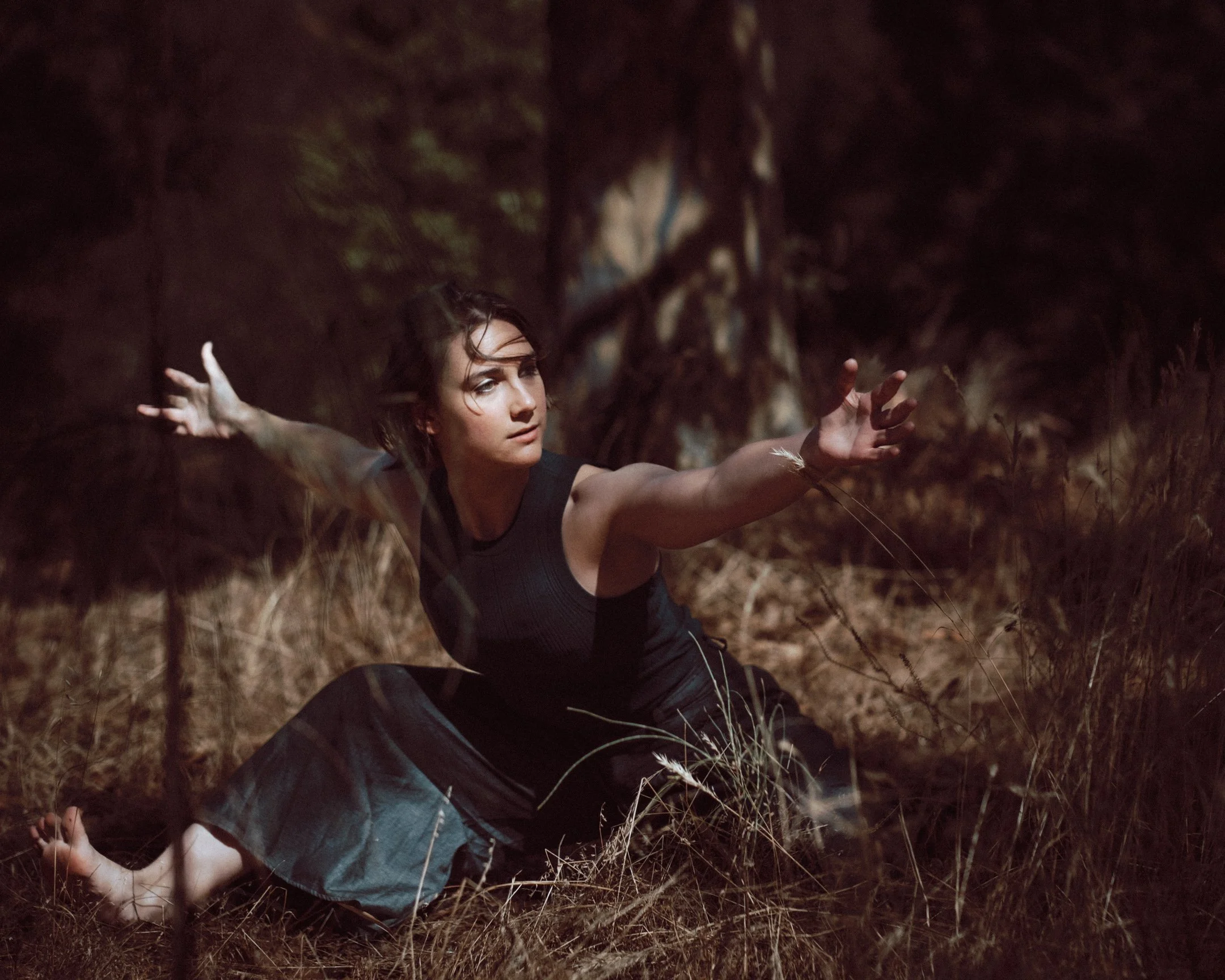
Caroline Ellis performing in Dear Agnes. Photograph: Daniel A’Vard
I’d argue that in cities or big population centres, it is easy to find our tribe: people who think, vote and live in similar ways to us. In the regions, we don’t have that luxury. We spend time with people who may engage with the world completely differently to us and we are richer for it.
Last year I was in a play at the Bright Courthouse that dealt with confronting themes: gender, addiction, complicated relationships. Most of the audience didn’t agree with the choices the characters made. But every person I spoke to afterwards walked away with more compassion for the people those characters represented.
That is what art does. Art (whether making or viewing) is a practice of empathy. Art (as opposed to propaganda), doesn’t tell us what to think, art but it invites us to feel. Like most skills, empathy atrophies without exercise.
The health argument
Researchers who study health have been warning for some time that social isolation and loneliness are serious risks to wellbeing. Some have compared this effect on long-term health to that of smoking. The picture is complicated, but the concern is widely shared. In regional areas, where there are fewer places to meet, isolation can be harder to avoid.
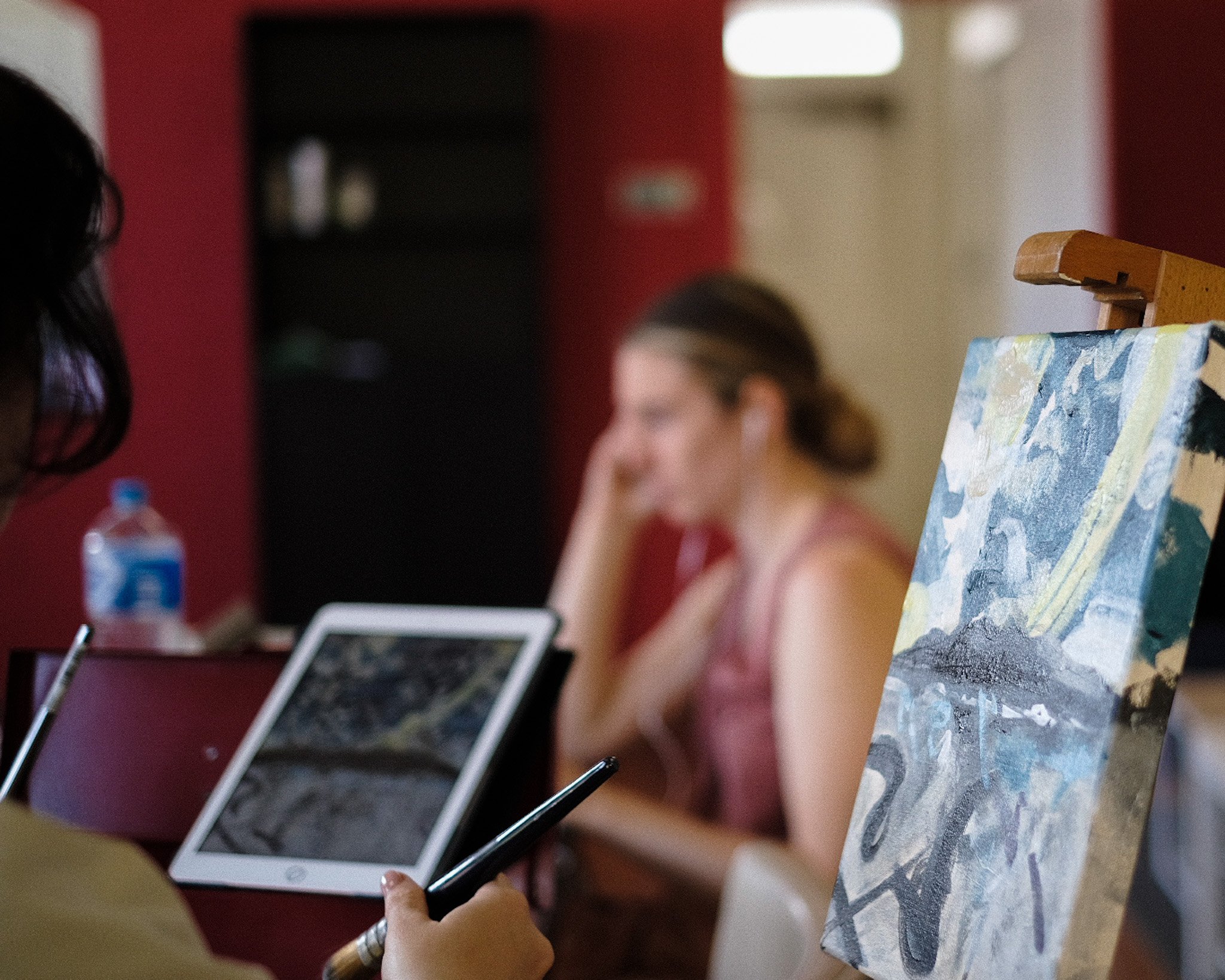
Artists at work.
Photograph: Daniel A’Vard
Art can help with this in ways that are hard to replicate. It gives people a reason to gather. We often think of sport as a conduit for this type of social connection – and it often is. But art does this in a softer way, it reduces the distances between us and opens up pathways for engagement.
Making art may do something similar. A growing body of research links creative practice with lower anxiety and a stronger sense of meaning. Some studies also suggest it may support cognitive health as we age. The evidence is still developing. What I can say is that in my own work, making art demands a quality of attention that I don’t get from anything else.
Showing up
Art is not a luxury communities invest in after the important things are sorted. A community with a strong arts culture is more connected, more resilient, and more attractive to visitors and to people who might choose to live here.
An arts culture is not built by artists alone. It is built by people who attend an opening, see a play, buy a piece of work because it caught them off guard, and tell someone about it afterwards. That participation is what makes the whole thing function and keeps the gift moving.
